Insights into User Flow Patterns Across Card and Wheel Games Powered by Digital Incentive Models
Theo Simmons · Oct 8, 2026

Insights into User Flow Patterns Across Card and Wheel Games Powered by Digital Incentive Models
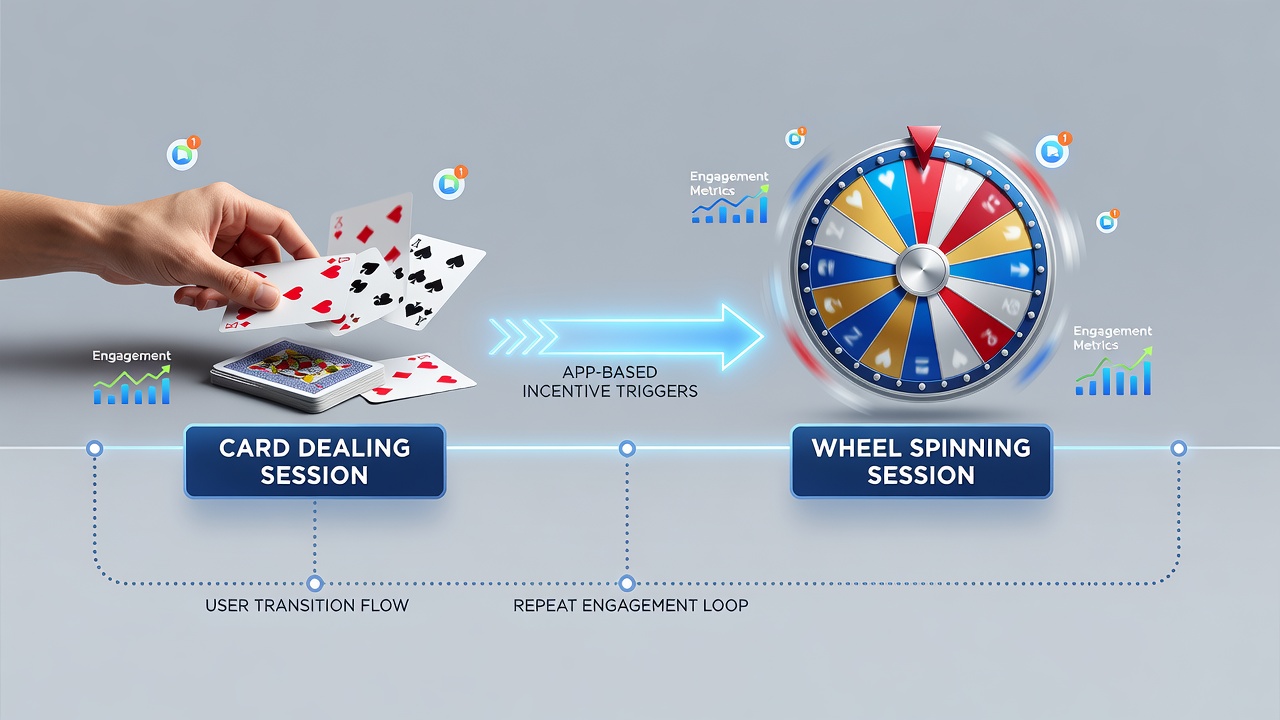
App developers track how users move between card dealing sessions and wheel spinning activities through layered reward programs that adjust points, multipliers, and tier benefits in real time. These systems collect session data on game switches, bet sizes, and time spent in each format, then feed the information into algorithms that release targeted offers such as free spins after a set number of blackjack hands or bonus chips for returning to roulette tables. Data from multiple platforms shows that users who receive immediate credit for completing a card round often continue into wheel-based play within the same login period, while those who hit loyalty milestones tend to alternate more frequently between the two formats.
Mechanics of Incentive Structures
Developers design incentive structures around sequential triggers that activate when a user completes a defined number of rounds in one game type. A typical flow starts with a welcome multiplier applied to the first card session, followed by a prompt that unlocks wheel credits only after the multiplier is used. According to figures released by the New Jersey Division of Gaming Enforcement, such sequenced rewards correlate with measurable increases in cross-format sessions during peak evening hours. The same reports note that daily login streaks further encourage users to sample both card and wheel offerings before logging out.
Data Collection and Transition Mapping
Platforms log every switch between card dealing interfaces and wheel spinning modules through timestamped events that capture wager amounts, game variant chosen, and any active bonus applied at the moment of transition. Researchers at the University of Nevada, Reno have examined anonymized datasets from state-regulated apps and found that users who receive tier-up notifications mid-session show higher rates of movement from multi-deck card tables to single-zero wheel configurations within five minutes of the alert. These patterns hold across both iOS and Android deployments, with the strongest correlations appearing in accounts that have maintained active status for more than thirty days.
Additional layers include progressive reward ladders that reset daily or weekly, prompting users to finish one game type before the next tier opens in the alternate format. Observers note that when the ladder requires a minimum number of card hands before wheel access unlocks, session length in the card portion extends while total transitions per login remain stable. In October 2026 several major operators updated their tracking dashboards to include heat-map visualizations that highlight the exact moments when incentive prompts appear relative to user exits from either game type.
Regional Regulatory Context
State and national regulators require operators to report aggregate transition statistics so that incentive effects can be monitored for responsible gaming compliance. The Australian Communications and Media Authority publishes quarterly summaries that separate card-to-wheel movements from other cross-game activity, revealing that apps offering tiered cashback on alternating formats record consistent month-over-month shifts in user sequences. European operators reporting to the Malta Gaming Authority supply similar breakdowns, allowing comparisons across different reward architectures while maintaining user anonymity.
These reports also track how external events such as new game releases or seasonal promotions alter the baseline transition rates. When a limited-time wheel variant appears alongside an existing card table, the data shows a temporary spike in wheel entries that later stabilizes once the promotion ends. Operators adjust the timing of their incentive releases accordingly to maintain steady cross-format engagement rather than concentrated bursts.
Conclusion
App-based incentive structures continue to shape how users navigate between card dealing and wheel spinning sessions by tying rewards to specific sequence requirements and real-time triggers. Aggregated data from regulatory bodies and academic analyses demonstrate measurable patterns in transition timing, frequency, and direction that operators refine through iterative updates. As tracking tools grow more granular, the mapping of these flows provides clearer pictures of how digital rewards influence movement across game formats without altering underlying user preferences for either card or wheel play.